Sofa Cleaning Services in your area

Our sofa cleaning services in your area are designed to refresh upholstered seating with careful, fabric-appropriate cleaning methods. We work on everyday family sofas, corner units, armchairs and other upholstered pieces that need a thorough clean without unnecessary disruption. The aim is to lift built-up soil, address marks where suitable, and leave the fabric looking more presentable and feeling cleaner. If you are comparing options, the right approach depends on the upholstery type, the level of soiling and the finish you want to protect.
We clean a wide range of upholstery, including synthetic fabrics, natural blends and many textured materials, while taking care to use methods that suit the item rather than forcing a one-size-fits-all process. That matters because a good result is about more than appearance: it is also about protecting fibres, reducing moisture where possible and working methodically across cushions, arms and back panels. If you are ready to move forward, you can request a quotation once you know the items you want cleaned.
Where a sofa has been used heavily, a more detailed clean can help remove the dullness that develops from daily contact, spills and airborne dust. We can also pay extra attention to commonly handled areas such as headrests, seat fronts and arm sections, which often show wear before the rest of the item. See pricing and quote information if you want to compare the practical factors before arranging the work.
What our upholstery cleaning service covers
Upholstery cleaning is often most effective when it is matched to the item rather than treated as a generic task. Sofas, settees, chaise units and individual chairs can all need slightly different handling because fabric weave, cushion construction and staining patterns vary. We therefore focus on a considered clean that suits the surface, the build and the condition of the furniture. That approach helps keep the work controlled and improves the chance of a balanced finish across the whole piece.
In many homes, the most noticeable improvement comes from giving attention to the places people touch most often. Arms, seat cushions and back cushions can collect grime more quickly than side panels or rear sections. A structured upholstery clean can address those areas while also working across seams, piping and tucked edges where dirt can gather. Read more about upholstery cleaning if you want a broader look at the service style and the kinds of items it can suit.
Our service is intended to be practical for furniture that still has life left in it but needs a proper refresh. That may include upholstery that looks tired, shows light everyday marking or simply needs a more complete clean than vacuuming can provide. Rather than masking the issue, the work is aimed at improving the condition of the fabric itself, with a careful balance between cleaning power and material protection.
Fabric-specific care and stain treatment

Different fabrics respond differently to cleaning, so the process should begin with identifying the material and looking at how it has worn over time. Some fabrics tolerate a wetter method, while others need a more restrained application with less moisture and quicker handling. We take a cautious approach to stains, because spot treatment is rarely a guesswork task: the wrong product or technique can spread a mark, alter the surface or leave a visible tide line. Careful testing and measured application help avoid those problems.
Stains are usually easier to handle when the affected area is known clearly, but the result still depends on what caused the mark and how long it has been there. Food spills, drink marks and general soiling often behave differently from body oils or ingrained dust. For that reason, we treat each piece individually rather than promising one universal solution. If you want to compare related services for other fabrics in the home, rug cleaning may also be relevant for coordinated care of soft furnishings.
Some upholstery can be cleaned more deeply than it first appears, but there are still limits. Delicate decoration, fading, previous damage and certain legacy stains may restrict how far a result can go. Honest expectations matter, and they are part of a sensible quotation process. A careful inspection of the item and an understanding of the fabric type help shape the work, the method and the likely outcome before anything begins.
Why the method matters for sofas and chairs
The best cleaning method is the one that suits the furniture rather than the quickest one. A sofa may look similar to another from the outside, yet the filling, stitching, fibre content and backing can all differ. Those details affect how much moisture the item can take, how long it may need to dry and how cautiously the cleaning should be carried out. Method selection is therefore a key part of doing the job properly, not an optional extra.
For customers, that means the service should be viewed as a combination of inspection, treatment and finishing work. Cleaning the visible surface is useful, but reaching a satisfactory result may also involve working on the build-up around creases, under cushions and in the more awkward corners where dust and debris settle. In some cases, a surface may improve quickly, while in others the benefit is more gradual and depends on how embedded the marks are.
We also consider the everyday use of the furniture. A family sofa used constantly will usually need a different level of attention from a spare room chair or occasional seating. Understanding that difference helps guide the work and avoids unnecessary treatment. It also gives a customer a better sense of what the clean is intended to achieve, which is especially important when the item has mixed wear patterns or more than one type of stain.
Practical upholstery care at home

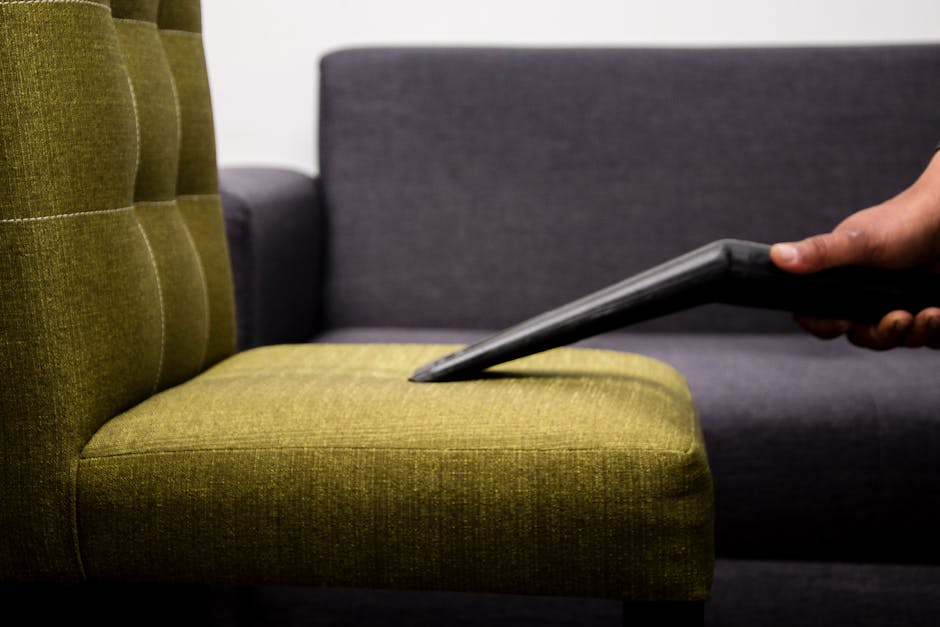
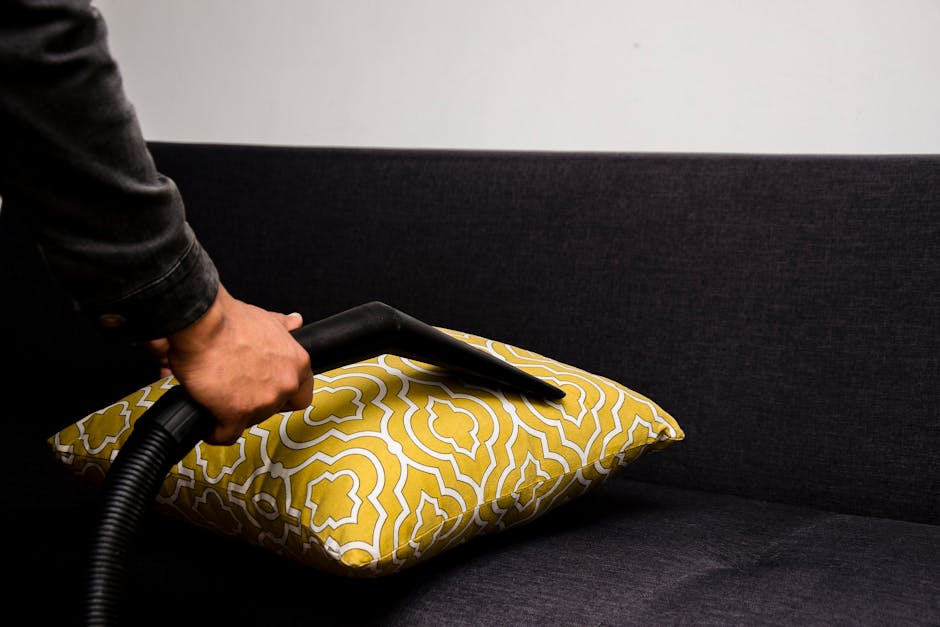
Good upholstery care does not end with the cleaning visit, and a little sensible maintenance can help preserve the result. Regular vacuuming with a suitable attachment can reduce loose dust and crumbs from settling into seams and under cushions. Promptly blotting a fresh spill, rather than rubbing it in, can also make a meaningful difference. These are simple steps, but they support the longer-term condition of the furniture and can reduce the frequency of more intensive work.
Before any upholstery clean, it is useful to know what the furniture is made from, whether there are removable cushion covers and whether any areas have previously been repaired or retreated. Sharing that information helps shape the cleaning plan and avoids unnecessary surprises on the day. If you already have a list of items, you can use it to request a quotation in a more structured way and compare the right scope of work. Contact us for a quote when you are ready to discuss the furniture.
It can also help to clear surrounding space so access to the sofa, chairs or footstools is straightforward. That makes it easier to work around the item and check the condition of the fabric from different angles. If cushions are loose or reversible, noting how they are used and whether both sides need attention gives a clearer picture of the task. These small details often make the overall process more efficient and better matched to the piece.
Domestic sofa cleaning for everyday use
Domestic upholstery often needs attention because it is used every day and exposed to a mix of dust, food contact, pets, children and general wear. Sofas can show this in different ways: some develop a flat, greyed look, while others show isolated marks or a patchy finish on the seat fronts. Cleaning is therefore most helpful when it is tailored to the item’s condition rather than applied as a purely cosmetic treatment.
We can handle a range of common household pieces, from three-seater sofas to modular arrangements and individual chairs. The work may involve more than the main seat area, especially where armrests, head contact points or cushion edges have picked up extra grime. In homes where the same furniture is used heavily by several people, those differences can be quite visible, so a thorough approach makes a noticeable contribution to the overall result. Domestic cleaning is a useful option if you are also considering other home cleaning needs alongside upholstery.
A sensible domestic clean should balance appearance, fabric care and convenience. That means using methods that are appropriate for the item, keeping the process orderly and avoiding unnecessary disturbance. It also means being realistic about what can be improved when a piece has years of use behind it. Some sofas respond well to a straightforward clean, while others need more targeted treatment on specific marks or worn areas to achieve the best practical finish.
Quoted work, access and preparation

A quotation for sofa cleaning is usually clearer when the furniture to be cleaned is identified precisely and the condition is described honestly. The main things that affect the scope are the number of items, the fabric type, visible stains, accessibility and whether cushions are fixed or removable. That information helps shape the work and reduces the risk of over- or under-specifying the clean. It is also useful if there are any areas that should not be treated.
For a smooth start, it helps to share a brief description of the furniture and, if requested, clear images of the pieces and marks. That does not mean every job needs the same level of detail, but a little practical information can make the quotation more accurate. We can then consider the type of upholstery, the likely method and any limitations before the clean is arranged. If you are comparing wider cleaning options, one-off cleaning may be relevant where the upholstery work forms part of a broader refresh.
Preparation is usually simple. Make sure the item can be reached easily, remove fragile objects from nearby surfaces and note anything that may affect the work, such as prior repairs or known colour loss. These small steps help create a clearer plan without adding complication. They also support a more efficient visit, because the focus can stay on the upholstery itself rather than on avoidable practical delays.
Related home cleaning options
Some customers prefer to combine sofa care with other cleaning tasks so the home is refreshed as a whole. In those cases, it can make sense to think about the furniture alongside nearby soft surfaces or other rooms that also need attention. Related services may be helpful where dust, grease or general domestic build-up has spread beyond the upholstery. A joined-up approach can simplify planning, especially if the property needs more than one area addressed in the same period.
Where different surfaces are involved, the right service should still be chosen for the right material. Fabric seating, carpeted areas, ovens and hard floors each need different methods, and it is better to select the service that fits the task than to treat them all alike. If the main need is general upkeep as well as upholstery, house cleaning can be useful for thinking about the broader maintenance picture. The focus remains on choosing the appropriate work rather than adding unnecessary extras.
Our main emphasis here is still the sofa and other upholstered items, but it is sensible to note that good housekeeping supports the result. Less surface dust, fewer spills left to set and more regular care all contribute to better-looking furniture over time. That does not replace professional cleaning where needed, but it does help preserve the appearance between visits and can make future treatment more straightforward.
About the area
Britain’s towns and cities have long been shaped by the mix of housing, transport and local commerce that gives each place its own character, and the intended area for this service is no exception. Streets, parks and neighbourhood centres often reflect different periods of growth, from older residential lanes and terrace streets to later infill and newer developments. Where civic buildings, parish churches, schools or market areas survive, they provide useful markers of how the settlement has changed over time. In many places, a high street or central shopping corridor still acts as the social spine, while quieter side roads preserve a more domestic atmosphere. Local green spaces may sit close to busier roads, offering a contrast between built-up activity and calmer surroundings. Historic architecture can appear in fragments rather than as one intact district, with listed buildings, converted premises and retained facades sitting alongside newer construction. Watercourses, if present, often influence the layout of paths, bridges and open land, and can become part of the area’s identity even when they are no longer central to daily trade. Cultural life may be shown through community halls, sports grounds, libraries, places of worship and small venues, each adding a different layer to the place. The result is usually a location that feels both practical and lived-in, with familiar everyday functions sitting alongside older traces of development and local memory. About us
Upholstery details that affect the final result

The condition of a sofa is not determined by surface appearance alone. Stitching, seam depth, cushion fill and the way the fabric has stretched over time all affect how a clean should be approached. If one side of a cushion is more faded or worn than the other, it may be better to clean conservatively and keep the result even rather than chase an unrealistic finish. That is especially true on older or well-used pieces where the best result is one that looks tidier, fresher and more consistent.
Some upholstery features need extra care because they can hold soil in less obvious places. Piping, buttoning, pleats and deep creases can gather dust or leave awkward access points for cleaning. Likewise, seats with fixed cushions often need a different approach from loose cushion designs, because the movement of the upholstery changes how the work can be carried out. These are the kinds of details that help shape a proper quotation and a sensible method for the item.
If you would like to move ahead, keep your note brief and practical: list the furniture, mention any visible stains and say whether you need one item or several pieces handled together. That is often enough to begin. For a final step, request a quotation and choose the option that best fits your sofa, your fabric and the finish you want to achieve.