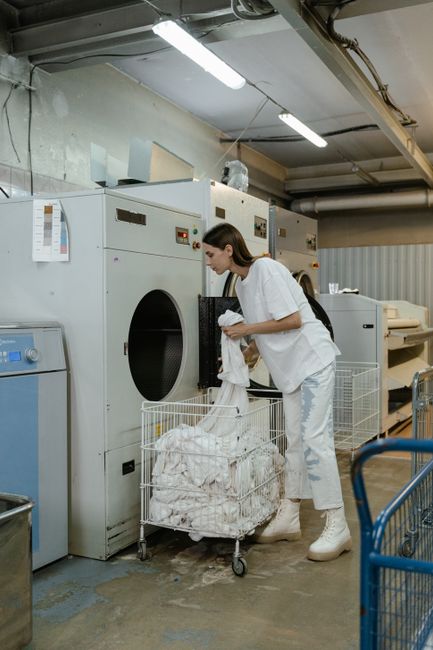
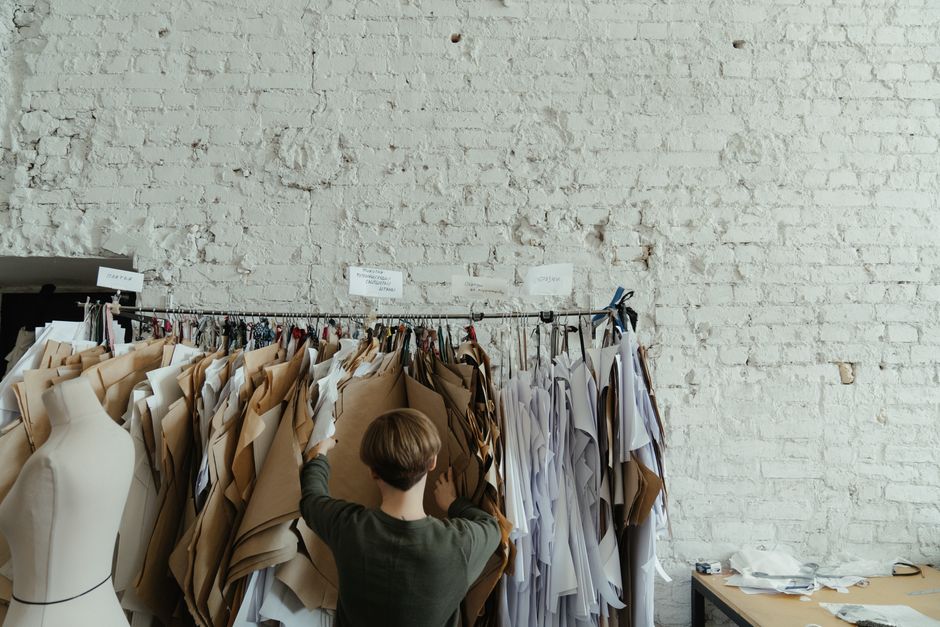
Behind the scenes professional cleaning process for delicate fabrics
Delicate fabrics can look effortless in a room, but they are often the hardest materials to clean well. Silk, velvet, fine wool, linen blends, and certain performance textiles all react differently to moisture, heat, friction, and cleaning chemistry. That is why the behind the scenes professional cleaning process for delicate fabrics matters so much: the visible result is only the final step in a carefully controlled process.
What most people never see is the slow, methodical work that happens before a fabric is ever touched with a cleaning solution. A professional will assess the fibre type, test for colour stability, look for previous repairs or wear, and decide whether the safest route is wet cleaning, low-moisture cleaning, or a specialist solvent-based approach. Truth be told, the best outcome often comes from restraint, not force.
If you have ever wondered why one cushion or curtain comes back looking fresh while another is left alone for a gentler treatment, this guide walks through the whole process in plain English. It covers why it matters, how it works, the tools involved, common mistakes, practical checklists, and the kind of standards a trusted cleaning company should follow when handling fragile textiles.
Table of Contents
- Why it matters
- How it works
- Key benefits and practical advantages
- Who this is for and when it makes sense
- Step-by-step guidance
- Expert tips for better results
- Common mistakes to avoid
- Tools, resources and recommendations
- Law, compliance, standards, or best practice
- Options, methods, or comparison table
- Case study or real-world example
- Practical checklist
- Conclusion
- Frequently asked questions
Why Behind the scenes professional cleaning process for delicate fabrics Matters
Delicate fabrics are unforgiving. A treatment that works perfectly on a sturdy polyester chair cover can shrink wool, dull silk, distort pile, or leave rings on a linen blend. That is why the professional process matters before anything else. The job is not simply "clean it." The real job is "clean it without changing its look, feel, or structure."
In a home, this can be especially noticeable on a favourite armchair, a cherished rug, or curtains that catch the light just right in the morning. One wrong move and the damage is obvious. A harsh brush may leave the nap crushed. Too much water can create tide marks. An over-strong detergent can strip dye or leave a sticky residue that attracts dirt faster than before. Not ideal.
Professionals approach delicate fabrics like a small investigation. They read labels where available, identify the fibre construction, check stitching and backing, and inspect how the fabric has aged. Older textiles often behave very differently from newer ones. A fabric that still looks strong may have weakened fibres underneath the surface, and a careless clean can make that weakness show up fast.
The other reason this matters is consistency. Home cleaning tends to be reactive: there is a stain, so you attack it. Professional cleaning is more measured. It uses knowledge, testing, staged treatment, and drying control. That lower-risk approach is what protects both the fabric and the furniture beneath it.
Key takeaway: delicate fabrics do not usually fail because of dirt alone; they fail because of the wrong cleaning method. The safest results come from diagnosis first, cleaning second.
How Behind the scenes professional cleaning process for delicate fabrics Works
The professional process usually begins before any equipment is switched on. A trained cleaner will inspect the item under good light, often moving cushions, lifting fabric edges, and checking for hidden wear points. It may sound a bit fussy, but those few minutes can prevent a very expensive mistake.
Next comes fibre identification. Some fabrics are naturally delicate, like silk and velvet. Others only behave delicately because of weave structure, coating, backing, or dye sensitivity. The cleaner then decides on the safest cleaning route. In practice, that might mean one of three things:
- Low-moisture cleaning for fabrics that should not be heavily soaked.
- Controlled wet cleaning where water and solution are carefully limited.
- Specialist solvent or dry-style treatment for fibres that react badly to moisture.
Before treatment, a spot test is usually carried out in a discreet area. This checks whether colours bleed, fibres distort, or finishes react badly. If the test area behaves badly, the process changes. That flexibility is one of the things that separates professional textile care from guesswork.
Then comes pre-treatment. Rather than scrubbing the whole surface, a specialist will loosen soil in a controlled way using a suitable solution and the lightest possible agitation. The idea is to work from the safest, least aggressive intervention upward. On a velvet sofa, for example, the cleaner may work with the pile direction in mind so the finish stays even and soft to the touch.
Extraction, blotting, or rinsing follows depending on the method selected. But even this stage is not rushed. Water balance is everything. Too much and the item takes forever to dry. Too little and the soil may remain trapped in the fibres. The drying phase is just as important as the cleaning phase. Good airflow, careful positioning, and patience make a real difference. You can almost smell when a room has been cleaned properly: fresh, but not perfumed to the point of masking everything.
For larger items, the process can connect with wider fabric care work, especially when a property also needs upholstery cleaning or rug cleaning. The principles stay the same, but the technique changes with each material and construction.
Key Benefits and Practical Advantages
The benefits are not just visual, although a brighter, fresher fabric is obviously welcome. The real value is in preservation, safety, and longer usable life. That matters whether you are caring for one treasured piece or preparing several items in a busy home.
- Less risk of shrinkage or distortion: Delicate fabrics are more likely to hold their shape when moisture and agitation are controlled.
- Better colour retention: Testing and gentle chemistry reduce the chance of dye transfer or fading.
- Improved texture: Pile, drape, and softness are preserved instead of flattened or roughened.
- Longer fabric life: Treating fibres gently helps them last longer, which is often the most cost-effective outcome.
- Cleaner results in problem areas: Light marks, body oils, and airborne dirt are removed without creating new damage.
There is also a practical household benefit that people sometimes overlook: fewer cleaning surprises later. A fabric that has been cleaned properly tends to stay more stable over time. It repels everyday grime better, especially when residue is removed and the fibre structure is left intact.
For many customers, the biggest advantage is peace of mind. You hand over a fragile piece and do not have to hover anxiously while someone "has a go" at it with a spray bottle and hope. Let's face it, that is not a great system.
Who This Is For and When It Makes Sense
This process is for anyone who owns or manages items made from fragile or high-risk textiles. That includes private homeowners, landlords, interior-conscious households, and people looking after inherited or high-value furnishings.
It often makes sense when you are dealing with:
- silk, satin, or silk blends
- velvet, crushed velvet, or plush pile fabrics
- fine wool or wool-rich textiles
- linen upholstery or linen curtains
- interior fabrics with old dye, trim, or decorative stitching
- items with a hidden backing that may react differently from the visible face
It is also a sensible choice after events that leave delicate materials dusty, smoke-affected, or marked by light spillages. For example, a soft chair in a south-facing room may collect dust and body oils slowly, while a curtain near an open window can take on that dull, slightly grey look that only shows in daylight. You notice it one afternoon and suddenly it is all you can see.
If the item is part of a larger clean-up, the same careful mindset applies as with deep cleaning. The difference is that delicate fabrics demand far more caution in the treatment stage.
Sometimes, the right answer is not cleaning at all. If a textile is structurally weak, badly sun-damaged, or already failing at the seams, a professional may advise limited surface care only. That is not a sales disappointment; it is the sensible call.
Step-by-Step Guidance
Here is what the professional process usually looks like behind the scenes, step by step.
- Initial inspection
Every item is checked for fibre type, wear, stains, loose threads, and existing damage. A good cleaner will notice things like seam stress, old repairs, and hidden marks under cushions. - Fibre and dye assessment
Where possible, the cleaner identifies how the material should be treated. Even if there is a care label, it is only part of the picture. - Testing in an inconspicuous area
Small spot tests help reveal colour bleed, pile distortion, or adverse reactions. This step is non-negotiable on high-risk fabrics. - Dry soil removal
Loose dust and particles are removed first. This reduces the chance of turning grit into abrasion during the wet stage. - Targeted pre-treatment
Marks are treated individually. A spilt drink and a greasy handprint need different handling. One size fits all? Not on delicate fabric, no. - Controlled cleaning
Depending on the textile, the cleaner uses low moisture, careful agitation, or a specialist product with limited dwell time. - Residue removal
Any cleaning agent left behind can attract dirt or stiffen fibres, so removal is important even when the process is gentle. - Drying and reshaping
The item is positioned to dry correctly. Pile is reset where needed, and airflow is managed to avoid odour or water marking. - Final inspection
The cleaner checks colour, texture, overall finish, and whether the item has dried evenly. If something needs a second pass, it is handled carefully, not hastily.
That sequence may sound straightforward on paper, but the judgement calls in the middle are where experience really shows. A cleaner might stop midway, change product, reduce moisture, or leave a mark alone if the risk of interference is higher than the likely gain. That restraint is part of the service.
Expert Tips for Better Results
There are a few practical things that consistently improve results, whether you are booking a specialist or handling minor fabric care between visits.
- Act early on spills. Blot, do not rub. Rubbing pushes liquid deeper and can distort fibres. A clean white cloth is better than frantic paper-towel chaos.
- Keep direct heat away. Hairdryers and radiators can set stains, shrink fibres, or leave rings.
- Vacuum gently and regularly. Use a soft attachment where appropriate. This helps remove grit before it wears the fabric down.
- Protect from harsh sunlight. UV exposure can fade dyes and weaken some textiles over time.
- Ask about the cleaning method before booking. If a provider cannot explain how they protect delicate fabrics, that is a small warning sign.
A useful habit is to take a quick photo of the item before cleaning. It is not about blame; it is about having a clear reference for shape, colour, and any existing marks. Handy, especially with older pieces.
If the work is part of a broader household refresh, scheduling alongside sofa cleaning or one-off cleaning can make practical sense. It keeps the process coordinated and reduces repeated disruption.
Common Mistakes to Avoid
Most damage to delicate fabrics comes from impatience or overconfidence. That sounds a bit blunt, but it is usually true.
- Using too much water: Overwetting can cause dye migration, shrinkage, or seam distortion.
- Scrubbing aggressively: Friction can crush pile, roughen fibres, and spread the stain.
- Skipping testing: Even "safe" products can react badly on old or unknown textiles.
- Using one product on every fabric: Delicate materials vary hugely. What works on cotton can be wrong for velvet.
- Forcing fast drying: Heat can do more harm than good. Patience is part of the process.
- Ignoring the backing or lining: A fabric can look fine on the surface while the backing reacts badly underneath.
One common mistake people make at home is treating a stain as the whole problem. In reality, the full item and its construction matter. A cleaner is not just washing a patch; they are protecting the fabric system as a whole. That is a very different job.
If the item also sits within a larger cleaning schedule, such as domestic cleaning or even house cleaning, delicate textiles should be cleaned separately from heavier, dirtier work where possible. It reduces cross-contamination and keeps dust levels down.
Tools, Resources and Recommendations
The right tools make a major difference. Professional textile care does not depend on brute force; it depends on control. And control starts with the kit.
| Tool or material | Why it helps | Best use |
|---|---|---|
| Soft upholstery brush | Lifts loose dust without damaging fibres | Pre-clean dry soil removal |
| Microfibre cloths | Good for blotting and gentle surface work | Spot treatment and residue control |
| Low-moisture applicator | Limits saturation and helps control cleaning solution | Delicate upholstery and trim |
| Specialist pH-balanced cleaner | Reduces risk of fibre damage or dye instability | Careful stain and surface treatment |
| Air mover or controlled airflow | Supports even drying without harsh heat | Post-clean drying phase |
For homeowners, the most useful "resource" is often a clear understanding of what not to do. Avoid the temptation to use strong multipurpose products on fine fabric. Also avoid overbuying gadgets that promise miracle results. The miracle is usually just good judgement, which is less exciting but far more reliable.
When delicate fabrics are part of a property that also needs practical upkeep elsewhere, services such as carpet cleaning or window cleaning can be planned around the textile work so dust and moisture do not interfere with each other.
Law, Compliance, Standards, or Best Practice
For delicate fabrics, the most relevant standards are often practical rather than dramatic. In the UK, a reputable cleaning provider should work with sensible health and safety procedures, clear product handling, and a duty of care to protect the customer's property. That means trained staff, appropriate insurance, and careful risk management.
It is also good practice to keep cleaning chemicals suitable for the material, use them in line with the manufacturer's guidance, and avoid undocumented shortcuts. If a business is operating professionally, it should be able to explain how it manages risks and what it does when a textile is too fragile to treat conventionally. If you want to understand a provider's operational approach, it is worth reviewing pages such as health and safety policy and insurance and safety.
Environmental care can matter too. Some textile cleaning jobs create waste in cloths, packaging, or disposable spotting materials. Responsible disposal and mindful product use are part of good practice, particularly where a client values recycling and sustainability.
It is fair to say that there is no one-size-fits-all legal rule for every delicate fabric. But there is a clear professional expectation: if an item is high-risk, the cleaner should act cautiously, test first, and avoid promising results that cannot be guaranteed. That honesty counts for a lot.
Options, Methods, or Comparison Table
Different fabrics need different approaches. Here is a simple comparison that shows why method selection matters so much.
| Method | Best for | Pros | Watch-outs |
|---|---|---|---|
| Low-moisture cleaning | Velvet, fine upholstery, lightly soiled delicate items | Gentle, controlled, faster drying | May not remove deep-set stains |
| Controlled wet cleaning | Certain upholstery and washable blends | Good soil removal, flexible treatment | Higher risk if overapplied |
| Specialist solvent-style treatment | Moisture-sensitive fabrics | Can protect structure where water would be risky | Requires expertise and careful handling |
| Surface maintenance only | Extremely fragile, aged, or damaged textiles | Lowest intervention level | Limited stain removal |
If you are choosing between methods, the safest question is not "Which cleans the most?" It is "Which gives the best balance of safety and result for this exact textile?" That small shift in thinking changes the outcome.
Case Study or Real-World Example
A common real-world situation is a velvet two-seater in a family sitting room. The fabric looks tired in the afternoon light, and there are faint marks on the arms where people rest their hands every day. The owner might assume the whole sofa needs an aggressive clean. In practice, the cleaner will often do the opposite.
First, the fabric is checked for pile direction and signs of crushing. Then a small hidden spot is tested. The cleaner may find that the colour is stable but the pile responds badly to friction. So instead of heavy scrubbing, they use a measured pre-treatment, very gentle agitation, and careful drying. The result is not "like new" in the unrealistic sense. It is more like honest, well-balanced restoration: the sofa looks cleaner, the texture is softer, and the sheen is more even.
That is the part people tend to miss. Professional cleaning is often about making something look naturally cared for, not artificially blasted into brightness. A little imperfection remains, of course. That is normal, and sometimes desirable. Some fabrics are meant to keep a bit of character.
Another example: linen curtains near a bay window in a British terrace house, usually full of light and dust by late summer. The cleaner may choose an approach that reduces water contact and supports hanging dry, so the drape is maintained. If they were soaked and hurried, the curtains could end up uneven at the hem. Not a good day.
Practical Checklist
Use this checklist before booking or carrying out cleaning on delicate fabrics.
- Identify the fabric type if you can.
- Check for labels, care instructions, or previous repairs.
- Look for fading, loose stitching, pile damage, or seam weakness.
- Decide whether the item needs specialist care rather than general cleaning.
- Ask what testing will be done before treatment starts.
- Confirm how moisture, agitation, and drying will be controlled.
- Keep the area clear so airflow and access are not restricted.
- Remove nearby items that could pick up overspray or dust.
- Allow enough drying time after the clean.
- Inspect the item again once fully dry.
If you are arranging multiple cleaning tasks at once, it can help to separate delicate textiles from heavier household work. For example, a more general refresh might involve office cleaning in a commercial setting or end of tenancy cleaning in a rental property, while fabrics are handled as a specialist add-on. Different jobs, different risks.
Get a free quote today and see how much you can save.
Conclusion
The behind the scenes professional cleaning process for delicate fabrics is really about judgement, not just cleaning power. Inspect carefully, test first, use the least aggressive method that will do the job, and protect the fabric's structure at every stage. That is what separates a careful result from a costly mistake.
If you remember only one thing, let it be this: delicate fabrics are cleaned best when the process respects the material, not the stain. Sounds simple, but it makes all the difference. And once you have seen a fragile fabric handled properly, it is hard to settle for rough treatment again.
Handled well, these pieces can stay beautiful for years, which is a quietly satisfying thing in itself.
Frequently Asked Questions
What is the behind the scenes professional cleaning process for delicate fabrics?
It is the careful assessment, testing, treatment, and drying sequence professionals use to clean fragile textiles with the lowest possible risk. The visible cleaning is only one part of the job.
Why can't delicate fabrics be cleaned like regular upholstery?
Because fibres, dyes, backing materials, and finishes can react badly to water, heat, friction, or strong chemicals. A method that is fine for sturdy fabric may damage silk, velvet, or wool.
How do professionals know which cleaning method to use?
They inspect the item, identify the fibre where possible, test a hidden area, and choose the least aggressive method that still gives a worthwhile result. Experience matters a lot here.
Is spot testing always necessary?
For delicate fabrics, yes, it is strongly recommended. A quick test can reveal colour bleed or texture changes before a larger area is treated. It is a small step with a big payoff.
Can all stains be removed from delicate fabrics?
No, not always. Some stains set into fibres, some dyes are unstable, and some fabrics are too fragile for heavy treatment. A trustworthy cleaner should be honest about those limits.
How long does delicate fabric cleaning usually take?
It depends on the item, the method, and the drying time. The cleaning itself may be fairly quick, but proper drying and final checks can take longer than people expect.
Will delicate fabrics shrink during professional cleaning?
They can if the wrong method is used, which is why professionals control moisture, heat, and agitation so carefully. A cautious process greatly reduces that risk.
What should I do before a cleaner arrives?
Clear the surrounding area, note any existing damage, and share any care labels or past issues you know about. That context helps the cleaner make better decisions.
Is low-moisture cleaning better than wet cleaning?
Not universally. Low-moisture cleaning is often safer for fragile items, but some fabrics and soils respond better to controlled wet cleaning. The right choice depends on the textile.
How do I know if my fabric is too delicate to clean?
If it is very old, heavily sun-damaged, fraying, or previously treated with unknown products, it may need only very limited care. A professional inspection is the safest way to judge it.
Does professional cleaning help delicate fabrics last longer?
Usually, yes. Removing grit, body oils, and surface soil without stressing the fibres can help the material keep its appearance and structure for longer.
What is the biggest mistake people make at home?
Overwetting and rubbing. Those two habits cause a lot of trouble. Gentle blotting and patience are usually much better, even if they feel less dramatic in the moment.