Certified upholstery cleaning standards for UK homes in 2026
If you are trying to make sense of Certified upholstery cleaning standards for UK homes in 2026, you are probably after two things at once: cleaner furniture and less worry. Fair enough. Upholstery looks simple from a distance, but the wrong method can leave rings, fading, sticky residue, or even a damp smell that hangs around far too long. In UK homes, where we deal with a mix of wool blends, synthetics, leather, velvet, and the occasional beloved hand-me-down sofa, standards matter more than people think.
This guide breaks down what "certified" should actually mean in practice, how a proper cleaning process works, what to expect from a professional service, and how to avoid the classic mistakes that cost time and money. It also covers the standards, safety checks, and decision points that sensible homeowners are asking about in 2026.
Contents
- Why certified upholstery cleaning standards matter in UK homes
- How certified upholstery cleaning works
- Key benefits and practical advantages
- Who this is for and when it makes sense
- Step-by-step guidance
- Expert tips for better results
- Common mistakes to avoid
- Tools, resources and recommendations
- Law, compliance, standards, or best practice
- Options, methods, or comparison table
- Case study or real-world example
- Practical checklist
- Conclusion
- Frequently asked questions
Why Certified upholstery cleaning standards for UK homes in 2026 Matters
Upholstery is one of those household surfaces that quietly takes a beating. People sit, eat, nap, work, scroll, pet the dog, and spill tea all over it. Yet because it sits in the living room looking respectable most of the time, it is easy to assume a quick vacuum and a spray bottle are enough. They usually are not.
Certified cleaning standards matter because furniture fabrics are not all built the same. A method that works well on a synthetic dining chair may be too aggressive for a viscose blend sofa. Over-wetting can create tide marks. Harsh chemistry can strip dyes. Poor drying can invite odour, mould growth, or mustiness. Let's face it, nobody wants a sofa that smells like a damp allotment shed after a service.
In 2026, homeowners are also paying more attention to evidence of competence. Not just "we clean sofas," but how the cleaner assesses the fabric, which equipment they use, what safety measures they follow, and how they protect your home. If you are comparing providers, this is where professional presentation should show up in the details, not the slogans.
There is also a trust element. Many UK households want clearer reassurance around insurance, chemical handling, and whether a cleaner can identify different upholstery types before starting. A service built around recognised standards is easier to trust because it follows a process rather than guesswork.
Expert summary: Good upholstery cleaning is not just about removing dirt. It is about matching the right method to the right fabric, controlling moisture, protecting colour, and finishing with proper drying and aftercare.
How Certified upholstery cleaning standards for UK homes in 2026 Works
Certified upholstery cleaning is best understood as a structured, documented approach rather than a fancy label. In practice, a professional should begin with an inspection, identify the fibre type where possible, test for colourfastness, explain any limits, and choose a cleaning method that fits the item. That sounds straightforward. The difference is in the discipline.
A credible process usually includes:
- Initial inspection - checking fabric type, wear, stains, stitching, trims, cushions, and previous damage.
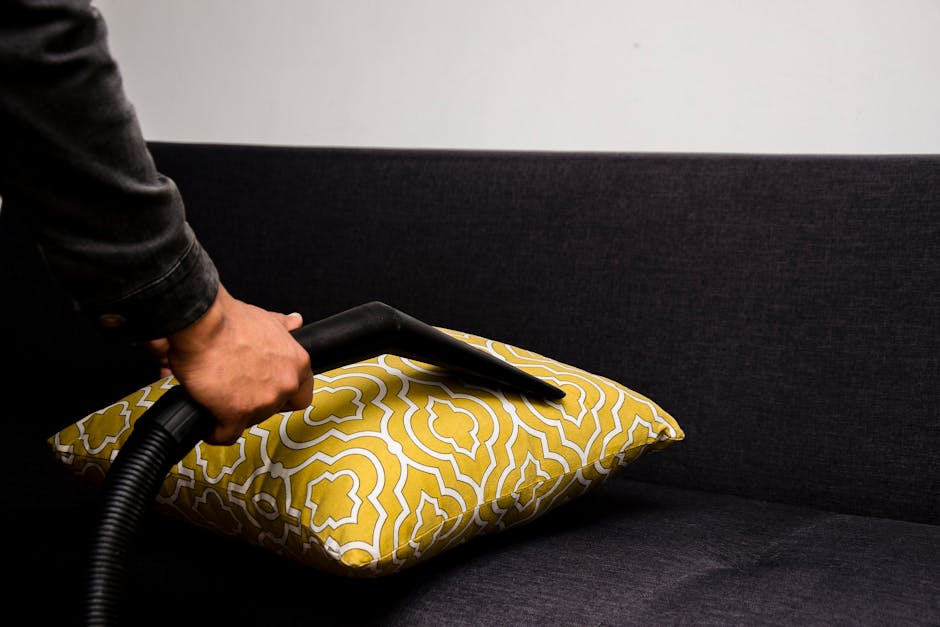
- Pre-vacuuming - removing loose dust, crumbs, pet hair, and grit before any moisture is introduced.
- Spot testing - checking cleaning chemistry in an inconspicuous area.
- Targeted pre-treatment - applying suitable stain or soil loosener where needed.
- Controlled cleaning - using the least aggressive effective method, often with low-moisture or carefully managed hot water extraction where appropriate.
- Rinsing or residue control - reducing the risk of sticky build-up that attracts more dirt later.
- Drying management - air flow, extraction, and realistic advice on drying time.
- Final check - reviewing results, texture, and any spots that may need a second pass.
Certification itself can mean different things depending on the company and the individual technician. Sometimes it refers to training in stain removal, fibre identification, health and safety, or cleaning methods. Sometimes it means an internal competency standard. The important thing is not the word alone, but whether the cleaner can explain what they have been trained to do and why it matters for your specific sofa or chair.
You should expect plain-English answers. If a company can tell you why a velvet armchair needs a gentler touch, or why a heavily used family sofa may need a different plan from a decorative occasional chair, you are already in better hands.
For broader domestic support around the home, many people also pair upholstery care with deep cleaning or regular domestic cleaning, especially when pets, children, or allergies are part of daily life.
Key Benefits and Practical Advantages
People often think the main benefit is cosmetic. Sure, cleaner fabric looks better. But the real gains are a bit more practical than that.
- Better hygiene - upholstery traps dust, skin flakes, and airborne grime. A proper clean reduces visible and hidden build-up.
- Longer fabric life - by removing abrasive dirt before it works its way deeper into fibres.
- Improved indoor feel - rooms simply smell fresher and feel more cared for.
- Better stain handling - old marks can be softened, lifted, or at least improved with a planned method.
- Safer cleaning choices - certified processes tend to use clearer controls around chemistry, moisture, and handling.
- More predictable outcomes - you are less likely to get surprise damage or vague excuses afterwards.
There is also a small but real emotional benefit. A tidy sofa changes how a room feels. You notice it at 7:30 in the evening when the light is low and the place finally looks calm again. That is not a technical metric, but it matters. Home is home.
For households juggling other maintenance jobs, it can be sensible to line upholstery cleaning up alongside sofa cleaning or even rug cleaning, since fabric items often age at different rates but suffer from the same dust, spills, and foot traffic.
Who This Is For and When It Makes Sense
This is not just for people with pristine cream sofas. In fact, those people may need it less than families with real life happening in the lounge.
Certified upholstery cleaning standards make sense if you:
- have children, pets, or both;
- own a sofa, armchair, dining chair, headboard, or footstool made from delicate or mixed fabrics;
- notice stains, odours, dullness, or uneven wear;
- are moving in or out of a property and want furnishings refreshed;
- manage short-term lets, rentals, or guest accommodation;
- have allergy concerns and want a more thorough clean than vacuuming alone;
- need reassurance that the work will be done with care rather than guesswork.
It also makes sense after a busy season. Autumn and winter in the UK can leave fabrics feeling a bit closed-in, especially when windows stay shut and heating runs more often. By spring, the sofa can show it. A proper clean at that point feels less like luxury and more like sensible maintenance.
If you are already looking at a wider home refresh, a household that needs upholstery attention often benefits from related services such as one-off cleaning or house cleaning to deal with everything in one coordinated visit.
Step-by-Step Guidance
If you want to understand what a high-standard upholstery clean should look like from start to finish, here is the practical version.
1. Identify the fabric before anything else
This is where good cleaners separate themselves from the hopefuls. Fabric type guides the method, the chemistry, and the amount of moisture that can be used safely. Cotton, polyester, wool blends, velvet, linen, microfibre, and leather all behave differently. If the cleaner skips this step, that is a warning sign.
2. Check for colour risk and worn areas
Look at faded arms, sun-exposed patches, seams, piping, and old repairs. A careful technician will notice where the item is already vulnerable and avoid overworking it. That matters because older fabric can look fine until it gets wet, and then problems appear fast. Not fun.
3. Dry soil removal first
Vacuuming is not glamorous, but it is essential. Dust, pet hair, grit, and crumbs can interfere with cleaning and turn into mud when moisture is added. A proper pre-vacuum makes a bigger difference than most people expect.
4. Use the least aggressive effective method
There is no single universal method for every item. Some fabrics respond well to low-moisture cleaning. Others can take controlled hot water extraction. Delicate pieces may need hand application, foam, or specialised spot treatment. "More powerful" is not always better. In upholstery, controlled is usually smarter.
5. Focus on stains without flooding the whole item
Stains should be treated with judgement. Food marks, drink spills, body oils, and pet-related spots each behave differently. A proper service will avoid blanketing everything with the same product and hoping for the best. That is how you get rings.
6. Extract moisture properly
The extraction or removal stage is where many DIY attempts fall apart. Excess water can sink into cushions and padding, leading to long drying times and sour smells. Good practice is to keep moisture under control from the start, then move air across the item to help it dry safely.
7. Give honest aftercare advice
Aftercare should include drying time, when to use the item again, what to avoid for the first day or so, and how to deal with any marks that reappear as the fabric dries. If a provider cannot explain aftercare clearly, that is a problem. Drying is part of the job, not an optional extra.
Expert Tips for Better Results
These are the things that tend to separate a decent clean from a genuinely good one.
- Test in an unseen area first - even safe-looking fabrics can surprise you.
- Take photos before and after - useful for comparing results, especially on patterned fabric where changes are subtle.
- Open windows where possible - fresh air helps, though winter weather in the UK can make this a bit brisk.
- Keep pets off the item during drying - easier said than done, but worth it.
- Use the right expectations for the fabric - some stains fade, some improve, and some are permanent. Honest professionals will say so.
- Ask how drying is managed - the clean is only half the job if the sofa stays damp for ages.
- Combine services sensibly - if your home needs a broader reset, pairing upholstery care with a trusted cleaning company can make planning easier.
One small but useful tip: if you have a patterned or textured fabric, look at it in daylight before and after. Artificial light can hide unevenness. Natural light is less forgiving, but that is exactly why it helps.
And yes, a good cleaner will sometimes say no to a risky request. That is not awkward; that is competence.
Common Mistakes to Avoid
Most upholstery problems after cleaning come from predictable mistakes. The good news is that they are easy to avoid once you know what to watch for.
- Using too much water - this is one of the fastest ways to cause odour and long drying times.
- Skipping the fibre check - a method that suits polyester may damage a delicate blend.
- Rubbing stains aggressively - this can spread the mark or roughen the fabric.
- Overusing household sprays - some leave residue that attracts more dirt later.
- Not ventilating the room - drying slows down and the result feels less fresh.
- Ignoring old damage - a pre-existing tear or weak seam can worsen during cleaning if nobody mentions it first.
- Choosing on price alone - cheapest is not always disastrous, but low cost without process or insurance is a gamble.
Here is a simple rule of thumb: if a provider sounds overly casual about fabrics, they are probably being casual with the whole job. That rarely ends well.
Tools, Resources and Recommendations
You do not need a warehouse of gadgets to maintain upholstery properly, but the right tools help. A cleaner working to strong standards should normally have:
- a capable vacuum with upholstery attachments;
- soft brushes and hand tools for seams and edges;
- appropriate fabric-safe cleaning solutions;
- spot-testing materials;
- controlled extraction or low-moisture cleaning equipment where suitable;
- air-moving equipment or a drying plan, when needed;
- protective materials for floors and surrounding surfaces.
For homeowners, the practical "resources" are mostly habits. A regular vacuum, prompt attention to spills, and sensible rotation of cushions will do more than most people realise. It sounds boring, I know, but boring maintenance is usually the best kind.
If you are already preparing the rest of the property, it can be useful to coordinate upholstery work with end of tenancy cleaning when moving out, or with after builders cleaning if dust from renovation has settled into fabric.
Law, Compliance, Standards, or Best Practice
There is no single universal legal rule that says every upholstery cleaner must use one specific machine or one fixed product. The real picture is a mix of legal duties, safety practice, insurance, consumer protection, and sensible industry standards.
In practical terms, a reputable provider should be able to demonstrate:
- Safe working practices - products handled correctly, risks assessed, and equipment used responsibly.
- Suitable insurance - especially for accidental damage or on-site mishaps.
- Clear terms - so the customer understands what is included and what is not.
- Complaint handling - a proper route if something goes wrong.
- Data and payment care - basic trust signals around personal details and secure payments.
It is also sensible for businesses to maintain policies around health and safety, insurance, accessibility, privacy, and sustainability. These do not clean a sofa by themselves, of course, but they show the company is thinking beyond the appointment slot. If you are comparing providers, it is worth checking whether they are transparent about these basics, such as through their health and safety policy and insurance and safety information.
Best practice in 2026 also leans toward clear communication about fabric limitations, drying expectations, and customer care. If a cleaner promises miracles on every stain, be wary. Real standards are usually more measured, and that is a good thing.
Options, Methods, or Comparison Table
Different upholstery jobs call for different approaches. Here is a simple comparison that helps in real life, not just on paper.
| Method | Best for | Pros | Watch-outs |
|---|---|---|---|
| Vacuum + spot treatment | Light maintenance and small marks | Quick, low risk, inexpensive | Won't remove deep soil or embedded odours |
| Low-moisture cleaning | Delicate or moisture-sensitive fabrics | Faster drying, gentler on some materials | May not fully remove heavy staining |
| Hot water extraction | Robust synthetic upholstery and heavily used sofas | Deep soil removal, good for general refresh | Needs careful moisture control and drying |
| Hand cleaning / foam | Tricky fabrics, detail areas, trims | More control, useful for targeted work | Can be slower and more labour-intensive |
| Specialist stain treatment | Specific marks such as drinks, grease, or pet spots | Focused approach, often more effective than general cleaning | Some stains are permanent or partially set |
For most homes, the question is not "Which method is best in general?" but "Which method is safest and most effective for this exact item?" That small shift in thinking makes the whole process much clearer.
Case Study or Real-World Example
A family in a typical UK semi-detached home had a two-seat sofa, two armchairs, and a footstool that all looked a bit tired. Nothing dramatic. Just that dull, lived-in look that sneaks up on you. The sofa had drink marks on one cushion, pet hair embedded in the seams, and a faint smell that became obvious only in the evening when the heating was on.
Rather than treating everything the same way, the cleaner inspected each item separately. The armchairs were a different fabric from the sofa, so they needed lighter treatment. The sofa received a targeted pre-treatment on the drink marks, careful extraction, and extra drying support. The footstool was handled more lightly because its fabric was thinner and already a bit worn around the edges.
The noticeable improvement was not just visual. The room felt fresher, the fabric looked brighter, and the odour problem was reduced without the sofa feeling wet or stiff afterwards. No miracle claims, no drama. Just a proper process and realistic expectations. To be fair, that is usually how the best jobs go.
This is also why certified standards are useful: they keep the cleaner from rushing the whole house with one method and hoping the furniture agrees.
Practical Checklist
Use this quick checklist before booking or approving upholstery cleaning in your home.
- Has the cleaner identified the fabric type?
- Did they explain the cleaning method in plain English?
- Did they mention spot testing or colourfastness checks?
- Are they clear about drying time and aftercare?
- Do they have appropriate insurance and sensible safety practices?
- Have they been honest about what stains may not come out fully?
- Did they inspect seams, trims, cushion fillings, and worn areas?
- Do they seem as interested in protecting the item as in cleaning it?
- Can they explain how they will avoid over-wetting?
- Do their terms and policies feel clear and straightforward?
If you can tick most of those off, you are probably dealing with someone who understands the job properly.
Conclusion
Certified upholstery cleaning standards for UK homes in 2026 are really about consistency, care, and judgement. The best cleaners do not just make furniture look better; they protect the fabric, manage moisture, explain the process clearly, and leave your home feeling genuinely fresher. That is the kind of work people remember.
If you are weighing up your next clean, focus on the method, the fabric knowledge, the safety basics, and the honesty of the advice. The right provider should make the process feel simple, not mysterious. And if they are good, you will notice it in the little things: the cleaner seams, the fresher air, the sofa that no longer feels like it has had a very long week.
Get a free quote today and see how much you can save.
Frequently Asked Questions
What does certified upholstery cleaning actually mean?
It usually means the cleaner follows a recognised or documented process for fabric assessment, cleaning method selection, safety, and aftercare. The exact certification can vary, so ask what training or standards they follow.
Is certified upholstery cleaning better than DIY cleaning?
Often, yes. DIY can work for light surface marks, but certified cleaning is safer for mixed fabrics, deeper soil, and items that can be damaged by too much water or the wrong product.
How often should UK homes have upholstery professionally cleaned?
That depends on usage. Busy family homes, pet households, and allergy-sensitive homes often benefit from more regular cleaning than low-traffic properties. Many people book when the furniture starts looking dull, smelling stale, or holding on to stains.
Can all upholstery fabrics be steam cleaned?
No. Some fabrics can handle controlled hot water extraction, while others are too delicate or moisture-sensitive. A proper cleaner should inspect the fabric first instead of assuming one method fits all.
Will upholstery cleaning remove every stain?
Not always. Some stains set permanently, especially if they have been left for a long time or treated badly before. A good cleaner should explain what is likely to improve and what may only partially lift.
How long does upholstery take to dry?
Drying time varies with fabric type, method, room temperature, humidity, and ventilation. Low-moisture methods usually dry faster. If a service leaves furniture very wet, that is not a good sign.
Should I vacuum upholstery before a cleaner arrives?
It can help, but it is not essential. Professional cleaners should still vacuum as part of the process. If you do vacuum beforehand, you will just help remove loose debris first.
What should I ask before booking upholstery cleaning?
Ask about fabric inspection, stain testing, drying time, insurance, methods used, and what happens if a stain cannot be fully removed. Those questions tell you a lot very quickly.
Is upholstery cleaning safe for homes with pets and children?
It can be, provided the products and methods are suitable and the furniture is allowed to dry fully before use. Ask the cleaner about product safety, ventilation, and re-use timing.
How do I know if a company follows good standards?
Look for clear communication, careful inspection, sensible limits, transparent pricing, and proper policies around health and safety, insurance, and complaints. If everything feels vague, it usually is.
Can upholstery cleaning help with odours?
Yes, especially when odours are caused by trapped dirt, spills, or everyday use. Strong or deep-set odours may need more than one treatment, and some materials hold smells more stubbornly than others.
Does a higher price always mean better upholstery cleaning?
Not automatically. Price should match the level of skill, equipment, time, and care involved. The cheapest option can be risky, but the highest price is not a guarantee either. The process matters most.
What if my furniture has already been damaged by a bad clean?
Take photos, note what changed, and contact the company promptly. Good providers should have a clear complaints process and be willing to discuss what can be done next. That conversation is rarely fun, but it should be straightforward.
If you want a fresher home without the guesswork, start with the standards, not just the selling points. That little bit of care up front tends to pay off beautifully later.